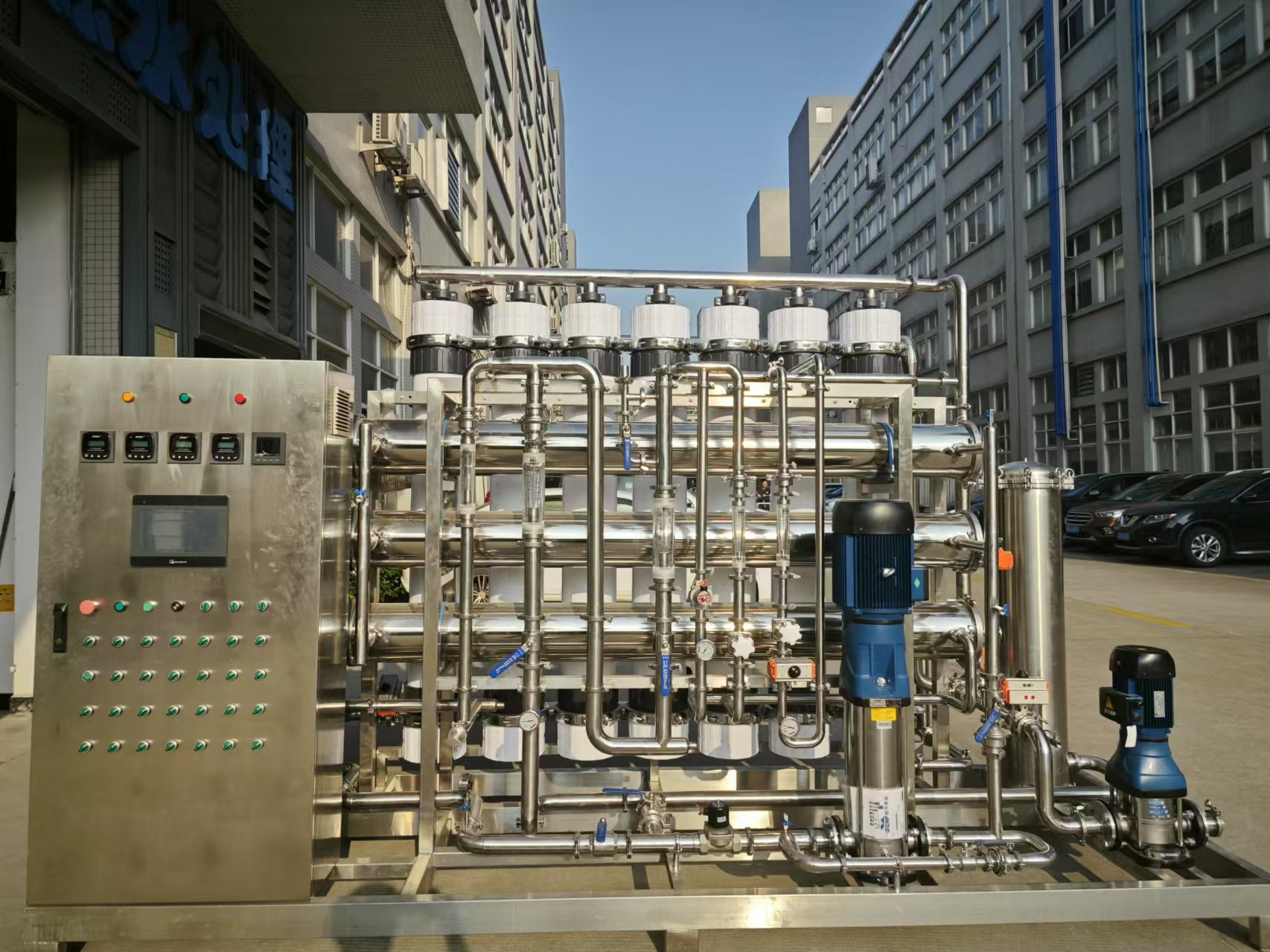
Environmental and Cost Benefits: With a total installed capacity of 300GW, over 90% of pure water and 99% of silicon powder can be recovered, effectively reducing manufacturing costs, cutting wastewater discharge, and improving wafer slicing process efficiency.
Modular Design: Uses a container-style modular structure, making transportation, rapid assembly, and commissioning easier.
Efficient Deployment: The integrated control center supports localized operation management, and projects under 10GW can be completed within 7 working days.
Silicon-containing wastewater generated by the equipment is transported via pipelines to an underground collection tank, then pumped to the system's raw liquid storage area.
During transmission, flow, pH, and conductivity are monitored in real-time to ensure stable and controllable operation.
2. Solid-Liquid Separation
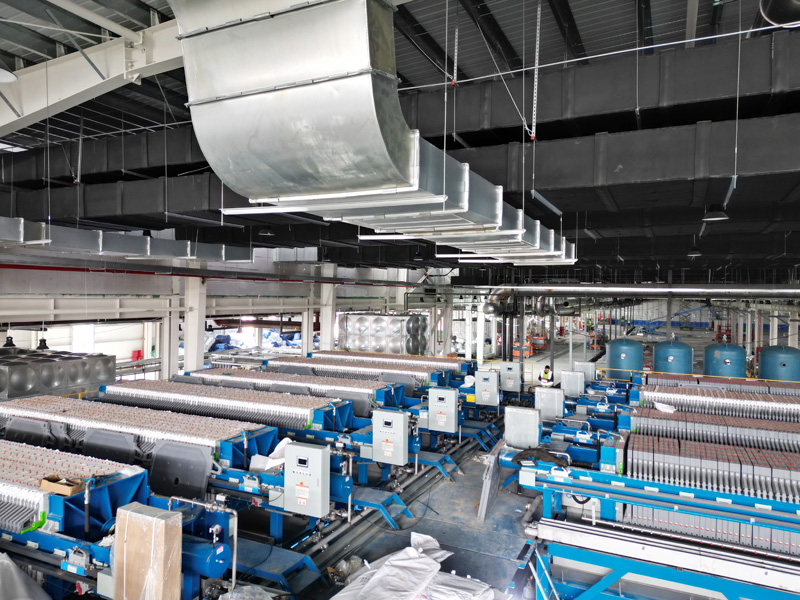
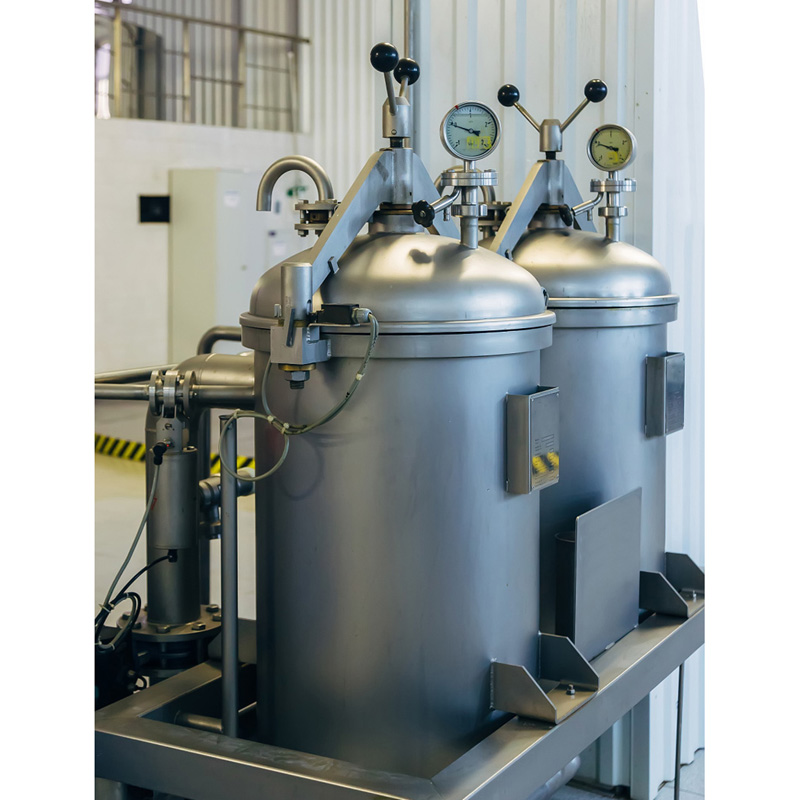
A screw pump draws silicon-containing wastewater from the feed tank to the filter press for solid-liquid separation.
Filtrate with turbidity below 50NTU enters the clean liquid buffer tank, while filtrate above 50NTU goes into the turbid liquid buffer tank and then returns to the feed tank for secondary filtration.
Once the filter press reaches the preset filtration point, it stops automatically, and the pressure pump injects high-pressure water for diaphragm squeezing.
After squeezing, the diaphragm water flows back to the filter water tank, forming a closed-loop system.
3. Silicon Filter Cake Handling
After the pressing cycle, the filter press automatically opens the plates for manual unloading.
The silica filter cake falls onto a belt conveyor, is transported to a ton bag filling station for bagging, and then moved by forklift to the designated storage area.
4. Filtrate Blending and Finished Product Transfer
The filtrate is sent to the blending system, where weddy water and coolant are automatically added according to preset formulas.
After thorough mixing, it passes online conductivity, pH, and Tok tests before being transferred to the finished product tanks.
The finished product is delivered to the slicing process through a post-filter under constant pressure, with flow and piping pressure monitored in real-time.
5. Intelligent pH Control Mechanism
The wastewater collection tank is equipped with online pH monitoring.
When the pH rises above 6.5, the system automatically diverts non-compliant wastewater to an Equivalent Treatment Plant (ETP) and adds citric acid for adjustment.
Once the pH drops back to 6.5 or below, the system stops diverting and resumes normal operation.
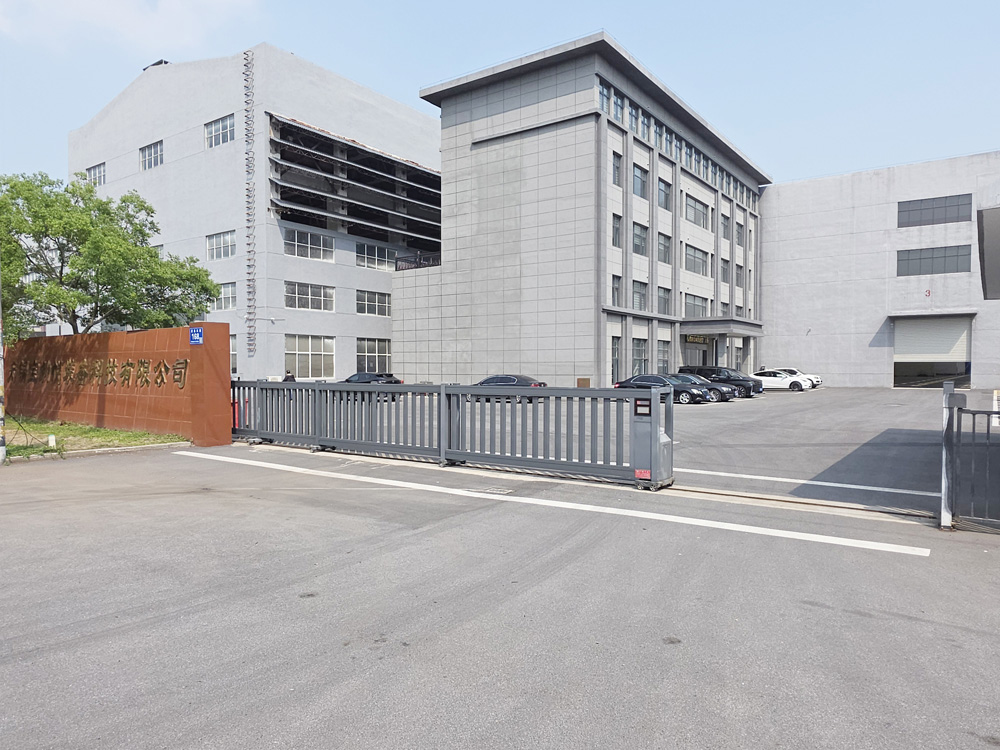
A: We are Wuxi Bodking Equipment Technology Co., Ltd., established on January 3, 2017, and evolved from our predecessor founded in November 1998. We are headquartered in Binhu District, Wuxi City, Jiangsu Province, with an R&D center in Yixing City, Wuxi. We operate 20,000 m² of production workshops and 1,500 m² of R&D facilities, giving us strong production capacity.
We operate two core business divisions: Chemical Equipment and Photovoltaic Equipment. We hold numerous invention and utility model patents related to evaporators, rectification columns, and silicon wafer processing equipment, and we have independent R&D and customized design capabilities.
We are recognized as a National High-Tech Enterprise and a Jiangsu Provincial “Specialized, Refined, Distinctive, and Innovative” (SRDI) SME. We also hold manufacturing qualifications for special equipment, including pressure vessels, and have independently developed multiple patented technologies.
Q: What is our primary business?
+
A:We specialize in the R&D, customization, manufacturing, sales, and delivery of complete solutions for specialized equipment serving the chemical, pharmaceutical, environmental protection, and photovoltaic new energy sectors. Our business is built around two main divisions: Chemical Equipment and Photovoltaic Equipment. We also provide technical services and import/export operations.
I. Core Equipment for Chemical & Environmental Protection
We focus on evaporation and concentration, solvent recovery through distillation, and extraction and separation. We provide a range of flagship energy-efficient complete equipment systems, including:
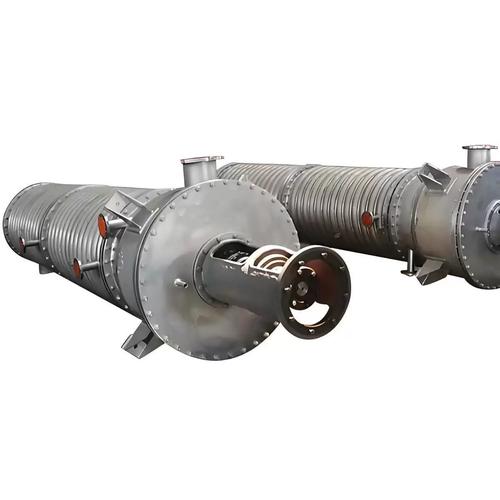
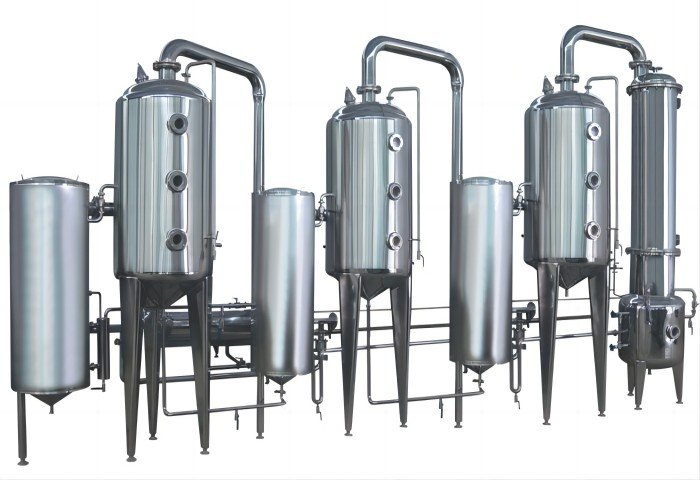
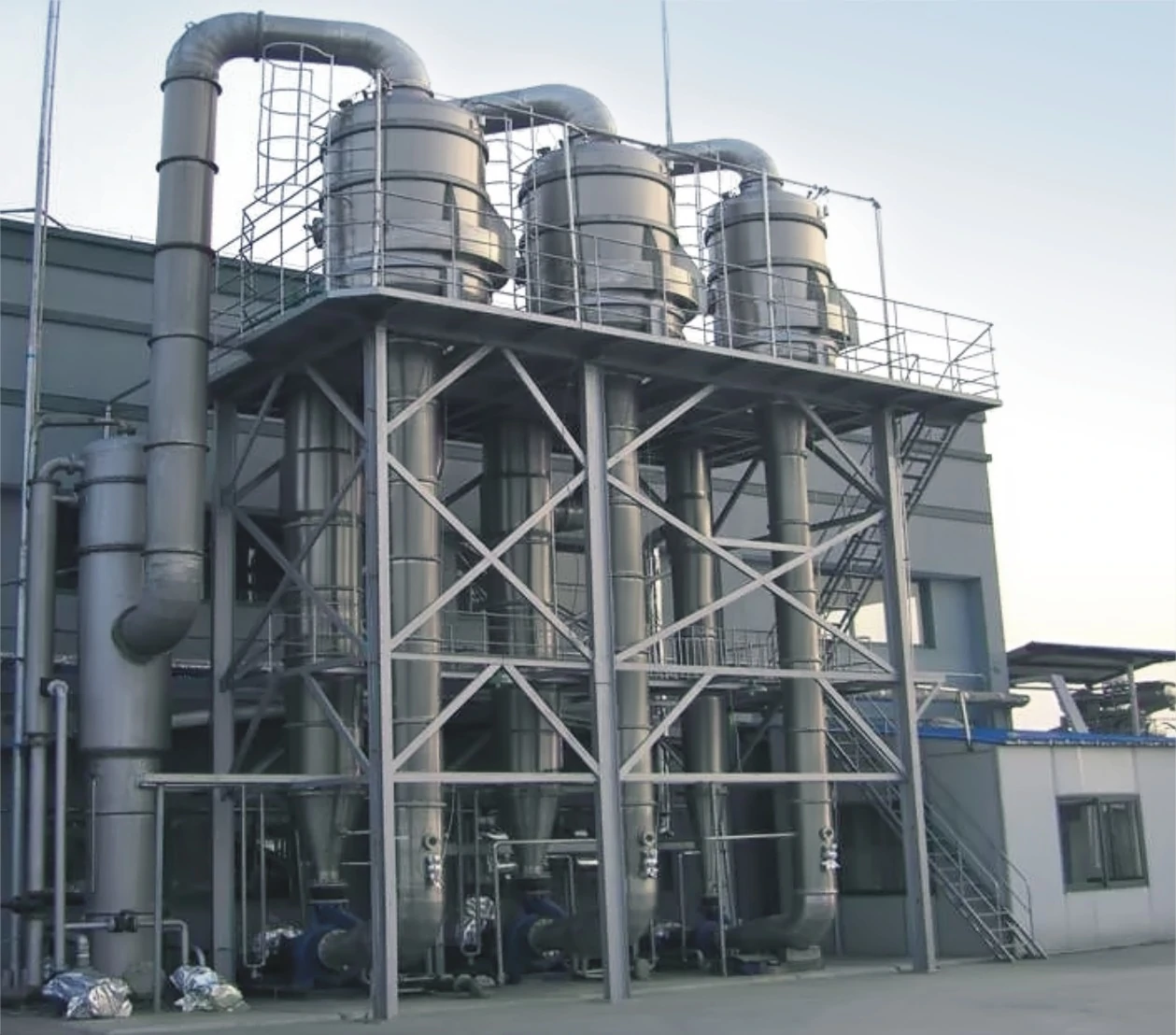
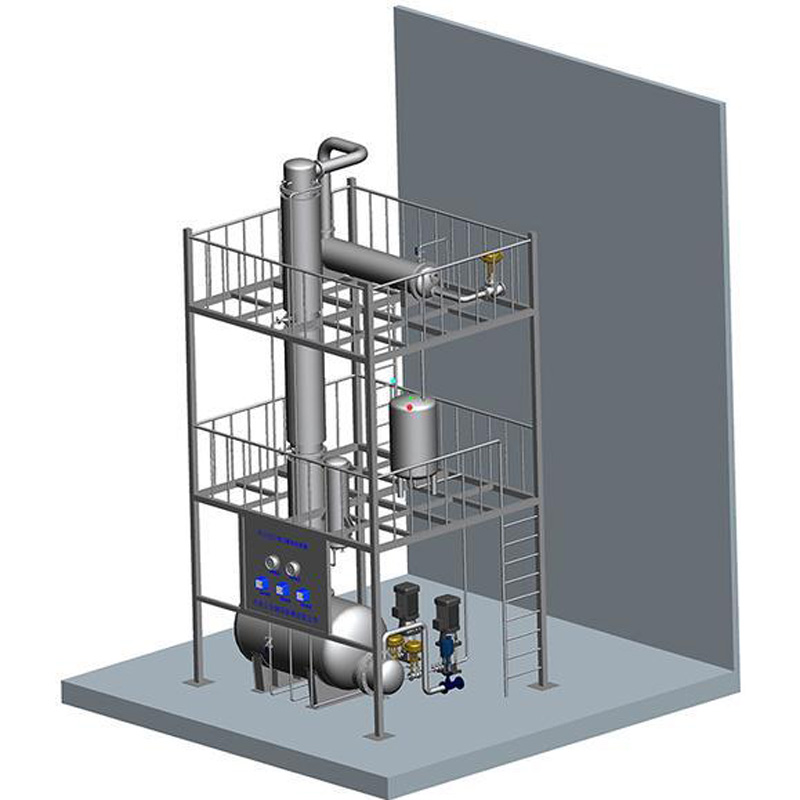
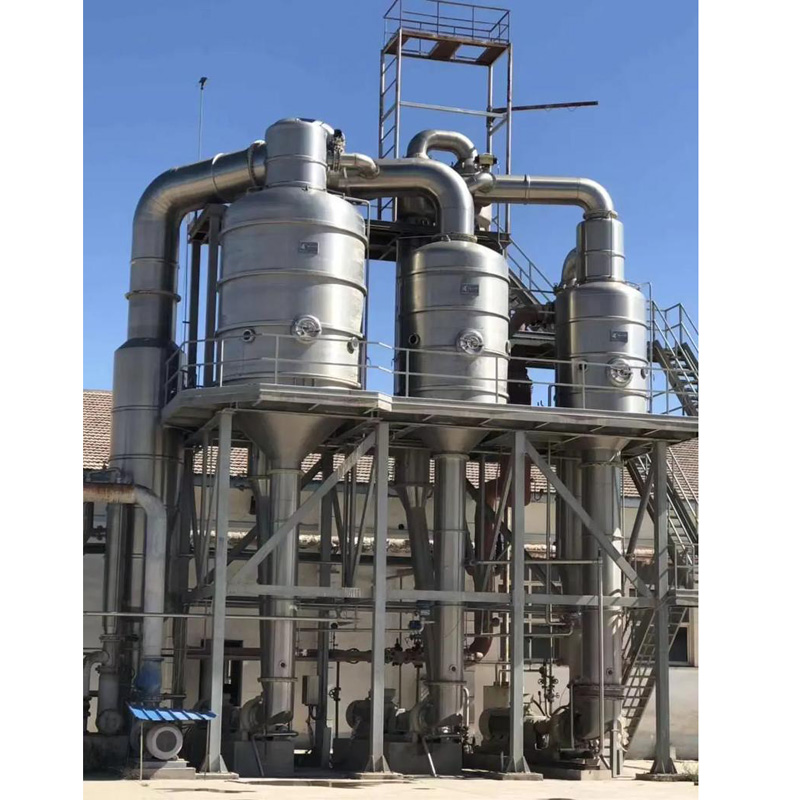
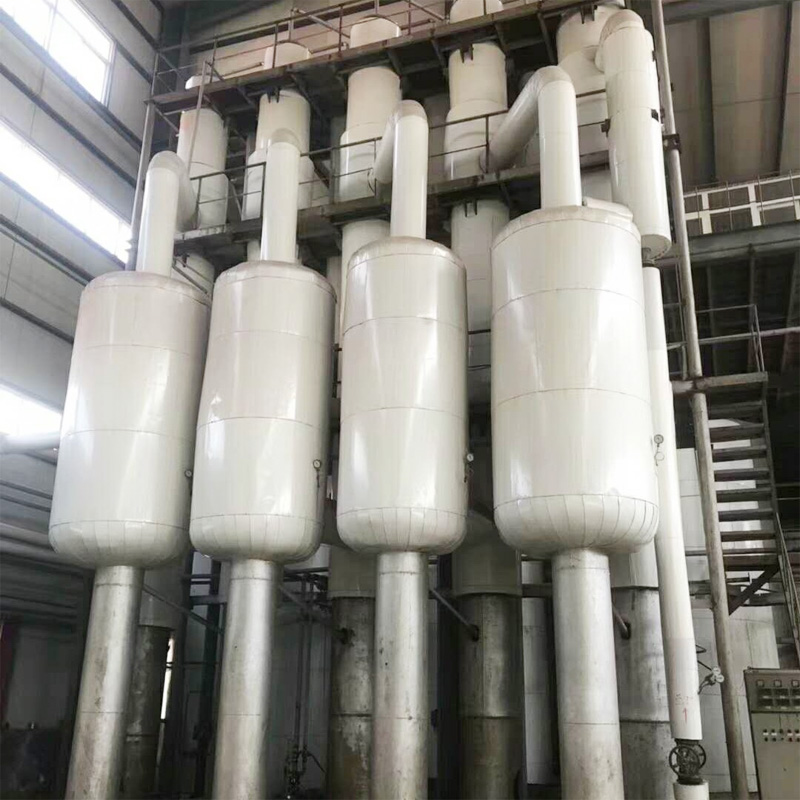
Evaporation: MVR evaporators, multi-effect evaporators, low-temperature evaporators, wiped-film evaporators, short-path evaporators, thin-film evaporators, and PEG dehydration and concentration systems;
Distillation & Recovery: Distillation columns, DMF recovery columns, ethanol recovery columns, and various solvent recovery units;
Environmental Water Treatment: Industrial wastewater evaporation treatment systems and waste liquid recovery equipment.
II. Specialized Equipment for Pharmaceuticals & Biochemistry
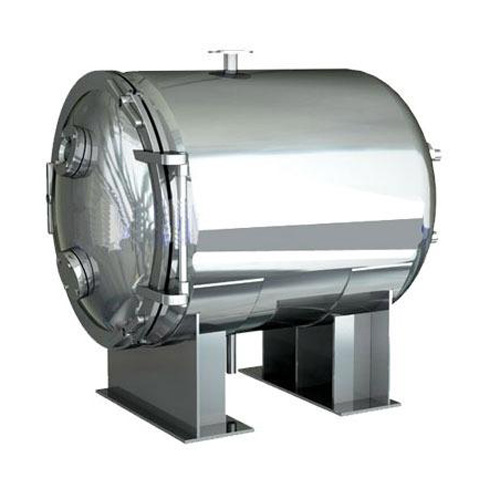
We provide customized equipment for the pharmaceutical, biotechnology, and Traditional Chinese Medicine industries, including fermentation tanks, multifunctional extraction and concentration units, vacuum drying ovens, TCM extraction units, precipitation tanks, pharmaceutical reaction vessels, and more.
III. Auxiliary Equipment for Photovoltaic New Energy
We support photovoltaic silicon wafer processing with equipment for wafer cutting fluid recovery, cooling circulation, and waste liquid treatment. We help our customers recycle cutting fluid, reduce operating costs, and meet environmental protection requirements.
Q: Why choose us?
+
A: With nearly 30 years of deep expertise in the chemical equipment sector,we have a thorough understanding of chemical, pharmaceutical, and environmental protection processes. Unlike manufacturers of generic equipment, we provide customized, comprehensive system solutions.
We entered the photovoltaic (PV) equipment industry in 2006, making us one of the earliest domestic companies to operate in this field. Our flagship product—the cutting fluid circulation system—consistently maintains a global market share exceeding 80%. Compared to competing products, our systems are distinguished by high recycling rates, superior purification precision, automated operation, low running costs, and robust structural stability.
In summary, leveraging our extensive technical background in chemical equipment and our early strategic positioning in the PV industry, we combine customized R&D capabilities with proven experience in mass production and application. Our core products deliver outstanding performance and enjoy high market recognition. We provide customers with stable, reliable, cost-reducing, and efficiency-enhancing one-stop equipment solutions, making us a trusted long-term partner in the chemical environmental protection and PV new energy sectors.


 Home
Home